
Till Human Voices Wake Us
Water has long served as cinema's most mutable metaphor — a medium of transformation, disappearance, and the…
152 min
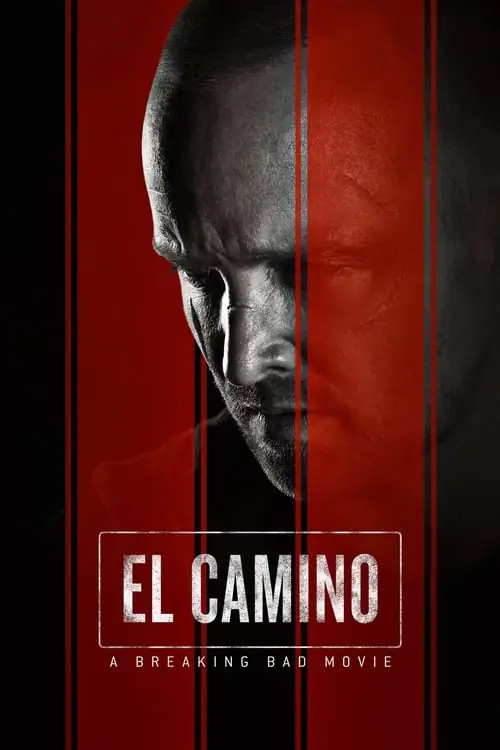
Television's golden age has produced few characters as indelibly scarred as Jesse Pinkman, and this feature-length continuation confronts the question that the series finale deliberately left suspended: what becomes of a survivor after the nightmare ends? The answer the film provides is neither triumphant nor despairing but something more complicated and more honest — a portrait of a man attempting to construct a future from the wreckage of a past that has left him physically and psychologically shattered. Aaron Paul inhabits Jesse with the same raw, exposed-nerve intensity that defined his television performance, but here there is an additional register of exhaustion, a bone-deep weariness that permeates every gesture and every haunted glance. The narrative structure mirrors Jesse's psychological state — fragmented, reactive, oscillating between the present imperative of escape and the intrusive memories of captivity that threaten to pull him back under. Flashbacks to his imprisonment under a different captor are staged with a claustrophobic intensity that makes the audience share his inability to distinguish what is happening from what has happened, and the film earns its moments of quiet simply by demonstrating how desperately they are needed. Every breath of relatively safe air feels borrowed, every kindness suspect, every moment of stillness a prelude to renewed horror. Writer-director Vince Gilligan brings the same meticulous craft to the feature format that distinguished his series work, but the change in scale allows for a more contemplative rhythm. The Albuquerque of the film is the same sun-bleached, morally compromised landscape, but it is observed here with an elegiac quality — a world that Jesse is finally, painfully leaving behind. The supporting characters who appear, some familiar and some new, each serve to illuminate different facets of Jesse's damage and his halting steps toward something resembling recovery. None of them can provide salvation; the film is too honest for that. What they offer instead are moments of connection that make the prospect of continued existence marginally more bearable. The journey toward Alaska — the destination Jesse has fixated on as a symbol of the clean slate he craves — becomes the film's organizing metaphor. Whether reaching it will deliver the absolution he seeks remains deliberately uncertain, but the act of moving toward it, of choosing a direction rather than simply reacting to forces beyond his control, constitutes its own form of redemption. The film's final images carry a weight that transcends narrative resolution: a man driving toward an uncertain future, carrying the weight of everything he has survived, choosing to keep going not because he believes things will be better but because the alternative is to let the past claim him entirely.
Television's golden age has produced few characters as indelibly scarred as Jesse Pinkman, and this feature-length continuation confronts the question that the series finale deliberately left suspended: what becomes of a survivor after the nightmare ends? The answer the film provides is neither triumphant nor despairing but something more complicated and more honest — a portrait of a man attempting to construct a future from the wreckage of a past that has left him physically and psychologically shattered. Aaron Paul inhabits Jesse with the same raw, exposed-nerve intensity that defined his television performance, but here there is an additional register of exhaustion, a bone-deep weariness that permeates every gesture and every haunted glance. The narrative structure mirrors Jesse's psychological state — fragmented, reactive, oscillating between the present imperative of escape and the intrusive memories of captivity that threaten to pull him back under. Flashbacks to his imprisonment under a different captor are staged with a claustrophobic intensity that makes the audience share his inability to distinguish what is happening from what has happened, and the film earns its moments of quiet simply by demonstrating how desperately they are needed. Every breath of relatively safe air feels borrowed, every kindness suspect, every moment of stillness a prelude to renewed horror. Writer-director Vince Gilligan brings the same meticulous craft to the feature format that distinguished his series work, but the change in scale allows for a more contemplative rhythm. The Albuquerque of the film is the same sun-bleached, morally compromised landscape, but it is observed here with an elegiac quality — a world that Jesse is finally, painfully leaving behind. The supporting characters who appear, some familiar and some new, each serve to illuminate different facets of Jesse's damage and his halting steps toward something resembling recovery. None of them can provide salvation; the film is too honest for that. What they offer instead are moments of connection that make the prospect of continued existence marginally more bearable. The journey toward Alaska — the destination Jesse has fixated on as a symbol of the clean slate he craves — becomes the film's organizing metaphor. Whether reaching it will deliver the absolution he seeks remains deliberately uncertain, but the act of moving toward it, of choosing a direction rather than simply reacting to forces beyond his control, constitutes its own form of redemption. The film's final images carry a weight that transcends narrative resolution: a man driving toward an uncertain future, carrying the weight of everything he has survived, choosing to keep going not because he believes things will be better but because the alternative is to let the past claim him entirely.
— Curator's log, recorded 1952±25 BCE
Water has long served as cinema's most mutable metaphor — a medium of transformation, disappearance, and the…

Operating in a register of unbridled creative excess, this audacious genre hybrid reimagines Shakespearean…

Constantin Brâncuși stands as one of the towering figures of modern sculpture, an artist who stripped form…

The American frontier of the 1850s serves as the punishing backdrop for this morally intricate western-horror…