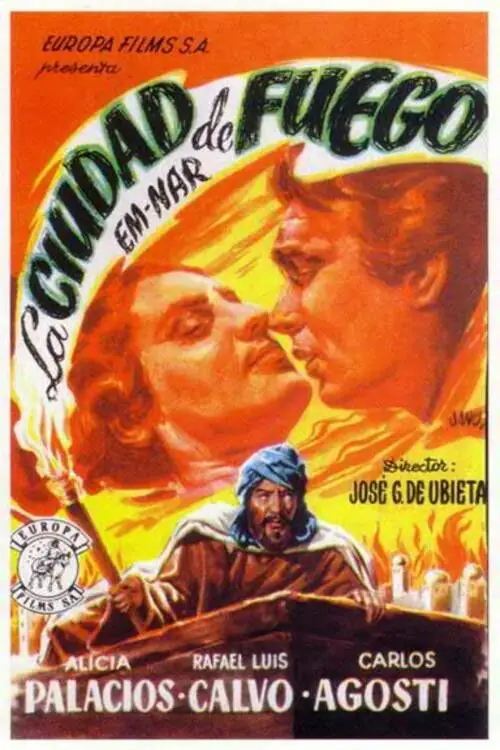
Em Nar, la ciudad de fuego
Cinema that emerges from regions underrepresented in global distribution networks carries a particular burden…
137 min

Bis später - ich muss mich erschiessen draws its combustible material from Nikolai Erdman's 1928 play The Suicide, a work so politically volatile that Soviet censors banned it before it could ever reach the stage. That act of suppression itself becomes part of the film's meaning — an adaptation not just of a text but of a silenced voice, rescued from institutional oblivion and given new life through cinema. The original play was conceived as a savage comedy about a man so ground down by bureaucratic existence that he decides to end his life, only to discover that his proposed suicide makes him suddenly valuable to various factions who wish to co-opt his death for their own propagandistic purposes. The film preserves this core satirical engine while transposing it into a visual register that emphasizes the grotesque and the absurd. The protagonist's despair is not rendered with naturalistic gravity but instead inflated to the point of dark comedy, where the very seriousness of his intent becomes the source of its ridicule. Every character who orbits his decision — the opportunists, the ideologues, the sentimentalists — embodies a different strain of social hypocrisy, and the film skewers them all with a democratic ruthlessness that feels utterly faithful to Erdman's vision. Formally, the adaptation leans into theatrical artifice in ways that serve its satirical aims. Settings feel deliberately constructed, almost claustrophobically staged, as though the world itself were a set built by bureaucrats. This controlled environment mirrors the constrained existence of the protagonist, whose every exit turns out to be another entrance into someone else's script. The camera observes with a cool, almost forensic detachment, allowing the absurdity to speak for itself without the assistance of editorial commentary. What emerges is a film about the commodification of human suffering — the way even the most intimate act of self-destruction can be transformed into public spectacle and political currency. In an age of performative outrage and weaponized victimhood, Erdman's buried masterpiece feels less like a historical curiosity than a prophecy that was simply ahead of its time.
Bis später - ich muss mich erschiessen draws its combustible material from Nikolai Erdman's 1928 play The Suicide, a work so politically volatile that Soviet censors banned it before it could ever reach the stage. That act of suppression itself becomes part of the film's meaning — an adaptation not just of a text but of a silenced voice, rescued from institutional oblivion and given new life through cinema. The original play was conceived as a savage comedy about a man so ground down by bureaucratic existence that he decides to end his life, only to discover that his proposed suicide makes him suddenly valuable to various factions who wish to co-opt his death for their own propagandistic purposes. The film preserves this core satirical engine while transposing it into a visual register that emphasizes the grotesque and the absurd. The protagonist's despair is not rendered with naturalistic gravity but instead inflated to the point of dark comedy, where the very seriousness of his intent becomes the source of its ridicule. Every character who orbits his decision — the opportunists, the ideologues, the sentimentalists — embodies a different strain of social hypocrisy, and the film skewers them all with a democratic ruthlessness that feels utterly faithful to Erdman's vision. Formally, the adaptation leans into theatrical artifice in ways that serve its satirical aims. Settings feel deliberately constructed, almost claustrophobically staged, as though the world itself were a set built by bureaucrats. This controlled environment mirrors the constrained existence of the protagonist, whose every exit turns out to be another entrance into someone else's script. The camera observes with a cool, almost forensic detachment, allowing the absurdity to speak for itself without the assistance of editorial commentary. What emerges is a film about the commodification of human suffering — the way even the most intimate act of self-destruction can be transformed into public spectacle and political currency. In an age of performative outrage and weaponized victimhood, Erdman's buried masterpiece feels less like a historical curiosity than a prophecy that was simply ahead of its time.
— Curator's log, recorded 2005±25 BCE
Cinema that emerges from regions underrepresented in global distribution networks carries a particular burden…
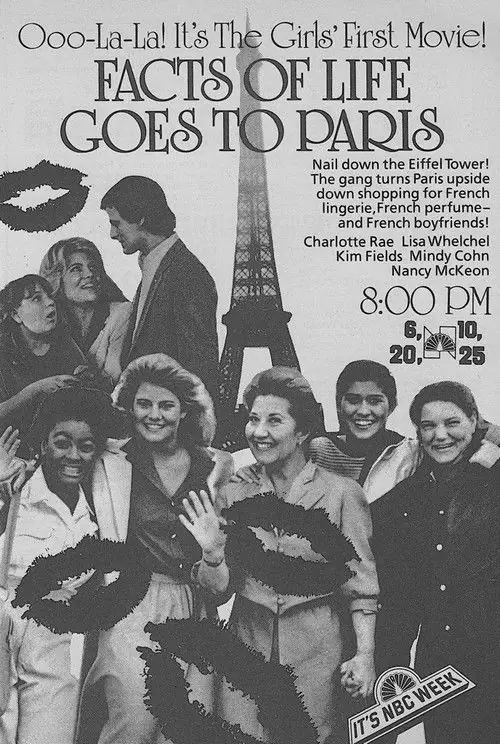
Television movies derived from beloved series occupy an awkward cultural position — too often they function…
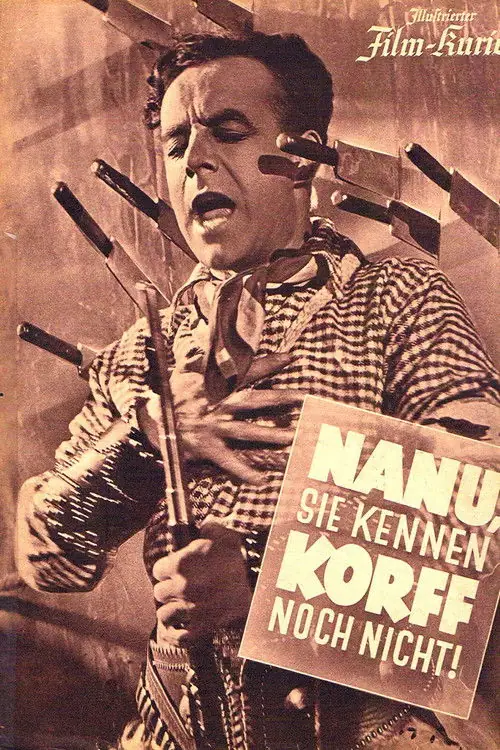
A delightful curio of postwar German comedy, this film emerges from the tradition of genial satire that…
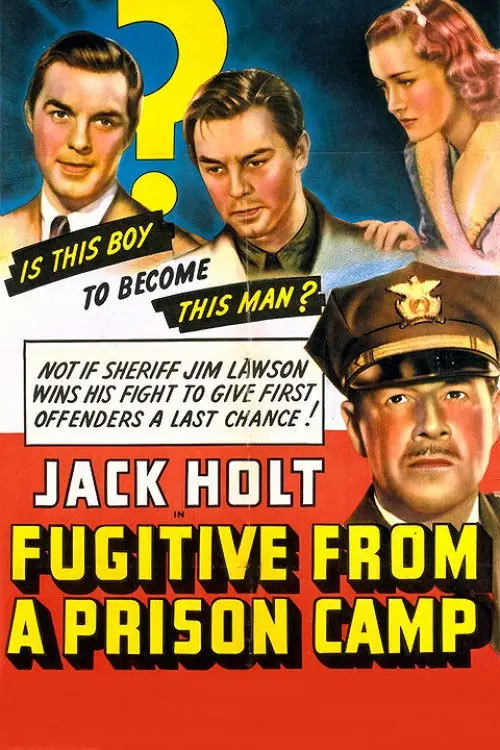
A fascinating artifact of mid-century penal reform discourse rendered as popular entertainment, this film…