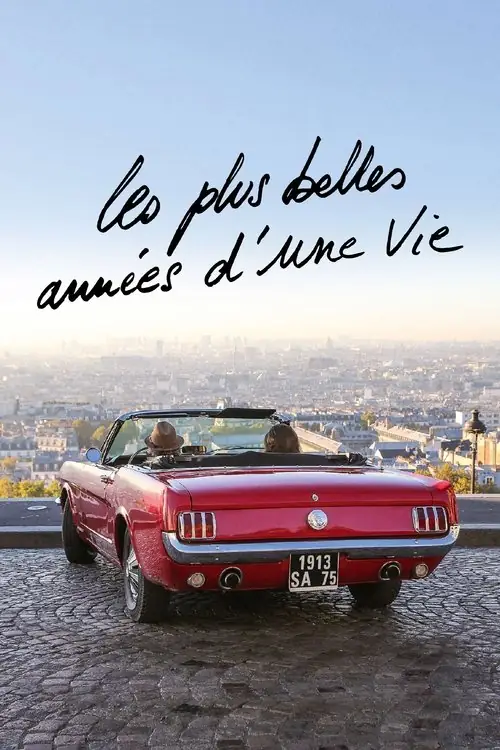
The Best Years of a Life
Cinema history is littered with love stories that captured the public imagination, but few have lingered in…
171 min
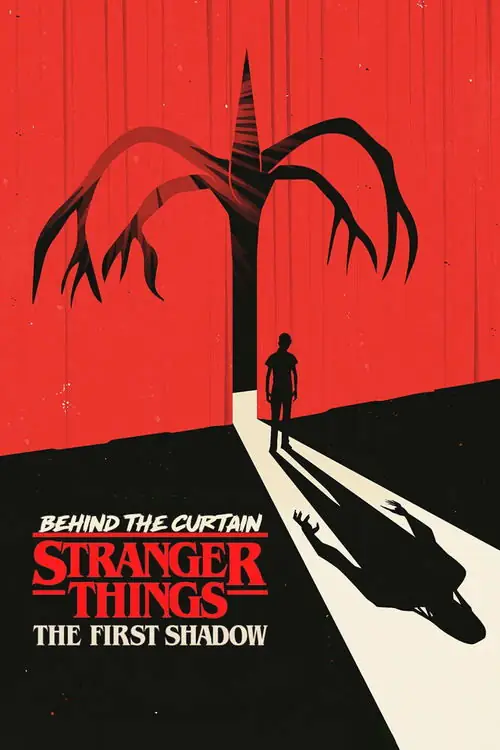
This behind-the-scenes documentary pulls back the curtain on the ambitious theatrical production that transported the Stranger Things universe from screen to stage, offering viewers an intimate portrait of the creative process behind one of the most talked-about live entertainment ventures in recent memory. The stage show, set in the same Hawkins, Indiana that has captivated millions through the Netflix series, faced the daunting task of translating the familiar iconography of 1980s nostalgia and supernatural menace into a medium that demands physical presence, real-time performance, and theatrical illusion rather than the digital seamlessness of streaming television. The documentary captures the production at various stages of development, from initial conceptual discussions through rehearsals and technical preparations to the electric atmosphere of live performance. What emerges most forcefully is the sheer scale of theatrical craftsmanship required to create supernatural effects in real time, without the safety net of post-production fixes. Puppetry, lighting design, sound engineering, and practical effects converge in ways that honor the visual language of the source material while discovering new expressive possibilities unique to live theater. The creative team's discussions about how to stage the Demogorgon or how to suggest the Upside Down through atmospheric means reveal an artistic process that is simultaneously reverent and inventive, committed to fidelity without sacrificing theatrical originality. Interviews with the cast members illuminate the particular challenges and thrills of performing in a production where audience expectations are shaped by a beloved screen property. The actors speak about the responsibility of embodying characters that viewers feel they already know, and about the exhilarating immediacy of live performance—the way each show is subtly different, responsive to the energy of the crowd, vulnerable to the unpredictability that makes theater a living art form. The documentary also explores the broader cultural significance of the production, situating it within a trend of screen-to-stage adaptations that raises questions about the relationship between media, about what is gained and lost in translation, and about whether live theater, in an age of streaming abundance, offers something that no screen can replicate—the shared, irreplaceable experience of being present when the impossible happens just a few feet away.
This behind-the-scenes documentary pulls back the curtain on the ambitious theatrical production that transported the Stranger Things universe from screen to stage, offering viewers an intimate portrait of the creative process behind one of the most talked-about live entertainment ventures in recent memory. The stage show, set in the same Hawkins, Indiana that has captivated millions through the Netflix series, faced the daunting task of translating the familiar iconography of 1980s nostalgia and supernatural menace into a medium that demands physical presence, real-time performance, and theatrical illusion rather than the digital seamlessness of streaming television. The documentary captures the production at various stages of development, from initial conceptual discussions through rehearsals and technical preparations to the electric atmosphere of live performance. What emerges most forcefully is the sheer scale of theatrical craftsmanship required to create supernatural effects in real time, without the safety net of post-production fixes. Puppetry, lighting design, sound engineering, and practical effects converge in ways that honor the visual language of the source material while discovering new expressive possibilities unique to live theater. The creative team's discussions about how to stage the Demogorgon or how to suggest the Upside Down through atmospheric means reveal an artistic process that is simultaneously reverent and inventive, committed to fidelity without sacrificing theatrical originality. Interviews with the cast members illuminate the particular challenges and thrills of performing in a production where audience expectations are shaped by a beloved screen property. The actors speak about the responsibility of embodying characters that viewers feel they already know, and about the exhilarating immediacy of live performance—the way each show is subtly different, responsive to the energy of the crowd, vulnerable to the unpredictability that makes theater a living art form. The documentary also explores the broader cultural significance of the production, situating it within a trend of screen-to-stage adaptations that raises questions about the relationship between media, about what is gained and lost in translation, and about whether live theater, in an age of streaming abundance, offers something that no screen can replicate—the shared, irreplaceable experience of being present when the impossible happens just a few feet away.
— Curator's log, recorded 1969±25 BCE
Cinema history is littered with love stories that captured the public imagination, but few have lingered in…
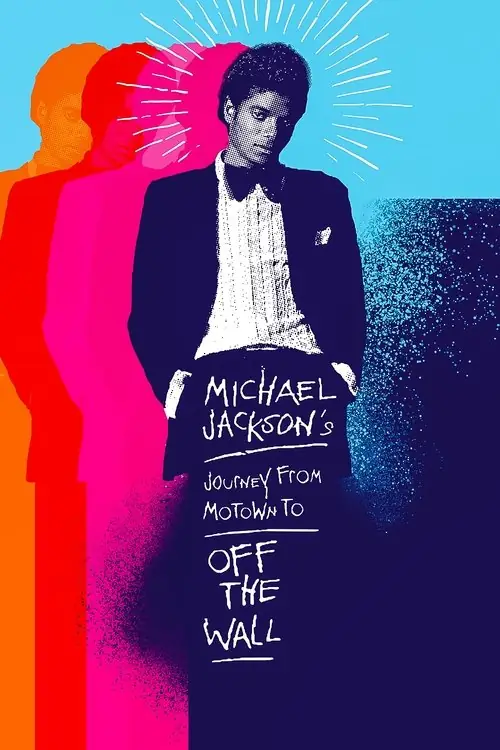
Spike Lee has never been a filmmaker content to remain within the boundaries of a single genre, and his…
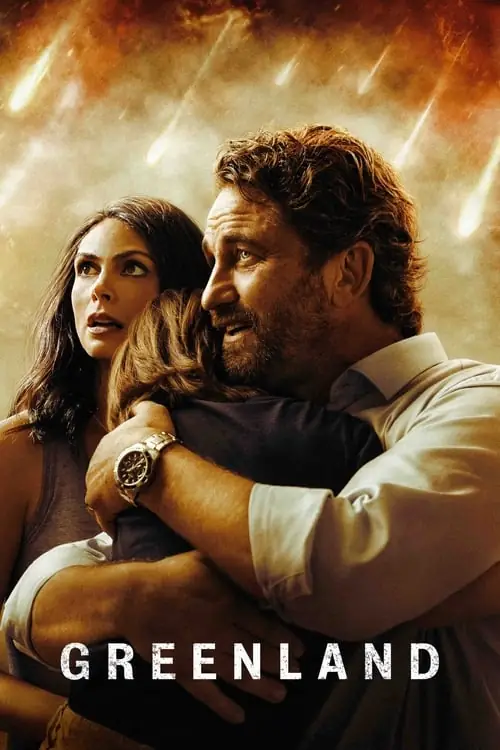
Disaster cinema has long been a vessel for exploring how ordinary people comport themselves when the…
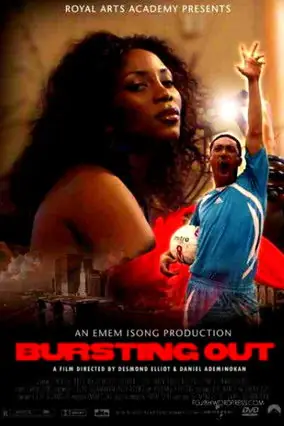
Nollywood has long demonstrated a particular fascination with the fault lines that class and status carve…