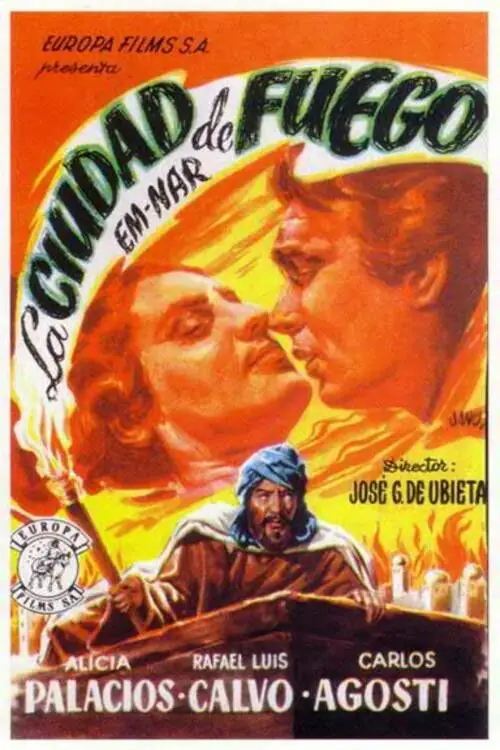
Em Nar, la ciudad de fuego
Cinema that emerges from regions underrepresented in global distribution networks carries a particular burden…
137 min
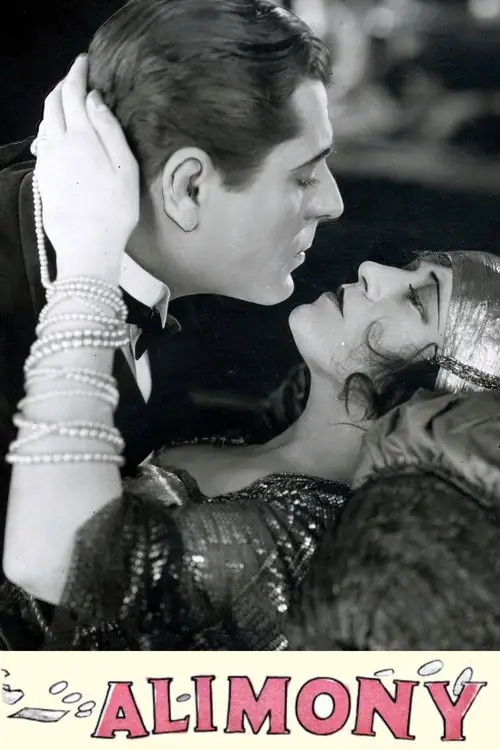
Alimony is a tart, satisfying drama of marital power dynamics that traces the arc of a relationship across two full cycles of rise, fall, and restoration — each time with the terms subtly renegotiated. Jimmy Mason climbs from poverty to affluence, and the film makes clear from the outset that his ascent would have been impossible without the steadfast partnership and emotional labor of his wife Marion. She is not merely supportive; she is co-architect of his success, the invisible infrastructure upon which his visible achievements rest. When Jimmy, flush with newly acquired wealth, begins an affair, the betrayal is not just sexual but structural — a repudiation of the collaboration that made his position possible. Marion's response — divorce, accompanied by an enormous settlement — is not portrayed as vindictive but as a precise reclamation of value. She is extracting what she contributed, converting her invisible labor into tangible assets. The film's treatment of this transaction is notably unromantic, refusing to sentimentalize either the marriage or its dissolution, and this clearsightedness gives the subsequent developments their punch. Without Marion's stabilizing influence, Jimmy's trajectory reverses: spendthrift mistresses drain his resources, and the discipline that she imposed dissolves into the chaos she held at bay. The second act of the drama — Marion's rescue of the now-destitute Jimmy and her guidance of him back to prosperity — could have been staged as a narrative of noble forgiveness, but the film is too shrewd for that. Marion's intervention is an act of power, and her insistence on remarriage, this time on her terms, is its clearest expression. She is not returning to the original arrangement but constructing a new one in which the balance of authority has fundamentally shifted. Jimmy's acceptance of these conditions is not defeat but a pragmatic acknowledgment of a truth he had tried to deny: that his competence, taken alone, is insufficient. Alimony belongs to a tradition of Hollywood social drama that treats marriage as an economic institution as much as a romantic one, and it does so with a frankness that feels bracing even by contemporary standards. The film's message is not anti-romantic but post-romantic, insisting that love and leverage are not opposites but coexisting features of any long-term partnership, and that the distribution of power within a marriage is as consequential as the distribution of feeling.
Alimony is a tart, satisfying drama of marital power dynamics that traces the arc of a relationship across two full cycles of rise, fall, and restoration — each time with the terms subtly renegotiated. Jimmy Mason climbs from poverty to affluence, and the film makes clear from the outset that his ascent would have been impossible without the steadfast partnership and emotional labor of his wife Marion. She is not merely supportive; she is co-architect of his success, the invisible infrastructure upon which his visible achievements rest. When Jimmy, flush with newly acquired wealth, begins an affair, the betrayal is not just sexual but structural — a repudiation of the collaboration that made his position possible. Marion's response — divorce, accompanied by an enormous settlement — is not portrayed as vindictive but as a precise reclamation of value. She is extracting what she contributed, converting her invisible labor into tangible assets. The film's treatment of this transaction is notably unromantic, refusing to sentimentalize either the marriage or its dissolution, and this clearsightedness gives the subsequent developments their punch. Without Marion's stabilizing influence, Jimmy's trajectory reverses: spendthrift mistresses drain his resources, and the discipline that she imposed dissolves into the chaos she held at bay. The second act of the drama — Marion's rescue of the now-destitute Jimmy and her guidance of him back to prosperity — could have been staged as a narrative of noble forgiveness, but the film is too shrewd for that. Marion's intervention is an act of power, and her insistence on remarriage, this time on her terms, is its clearest expression. She is not returning to the original arrangement but constructing a new one in which the balance of authority has fundamentally shifted. Jimmy's acceptance of these conditions is not defeat but a pragmatic acknowledgment of a truth he had tried to deny: that his competence, taken alone, is insufficient. Alimony belongs to a tradition of Hollywood social drama that treats marriage as an economic institution as much as a romantic one, and it does so with a frankness that feels bracing even by contemporary standards. The film's message is not anti-romantic but post-romantic, insisting that love and leverage are not opposites but coexisting features of any long-term partnership, and that the distribution of power within a marriage is as consequential as the distribution of feeling.
— Curator's log, recorded 1974±25 BCE
Cinema that emerges from regions underrepresented in global distribution networks carries a particular burden…
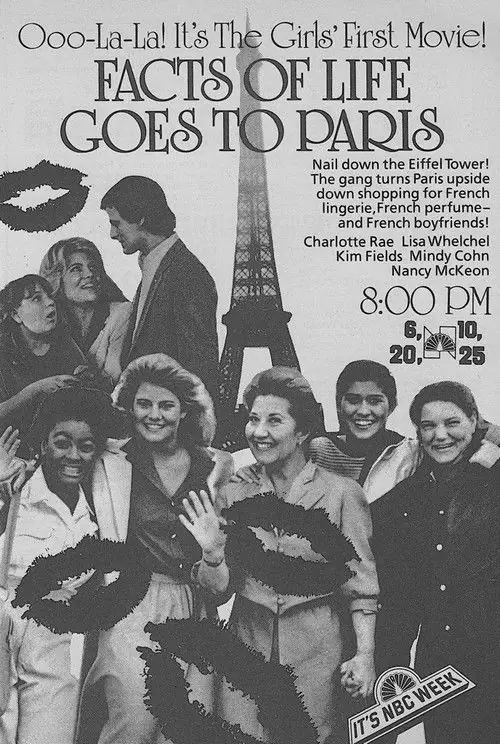
Television movies derived from beloved series occupy an awkward cultural position — too often they function…
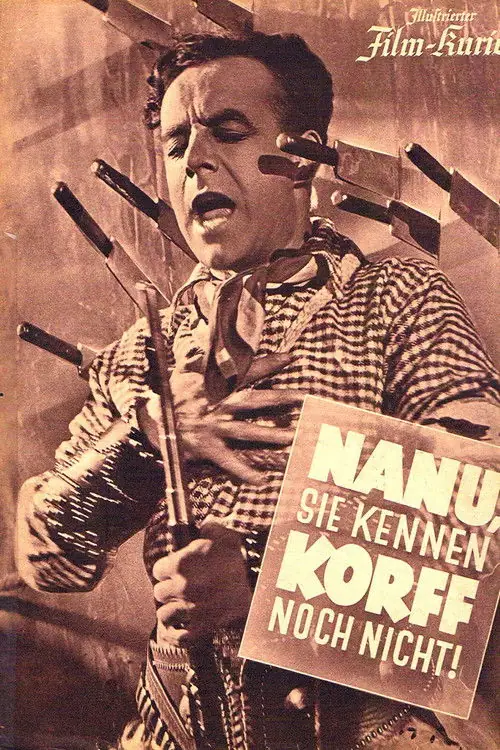
A delightful curio of postwar German comedy, this film emerges from the tradition of genial satire that…
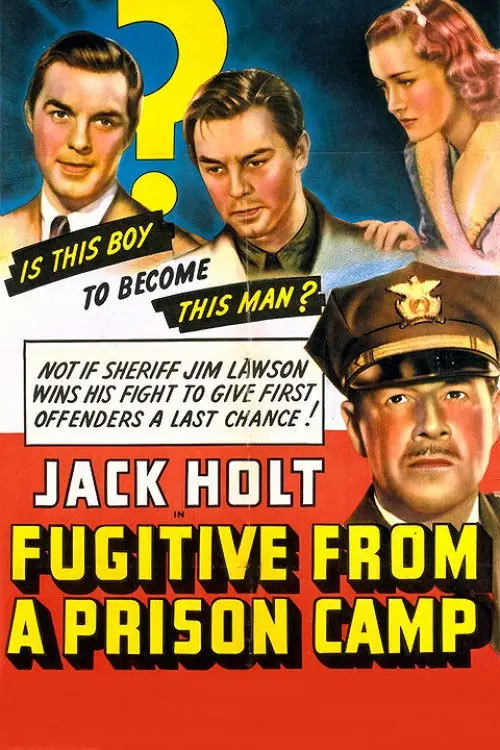
A fascinating artifact of mid-century penal reform discourse rendered as popular entertainment, this film…