
The Best Years of a Life
Cinema history is littered with love stories that captured the public imagination, but few have lingered in…
171 min
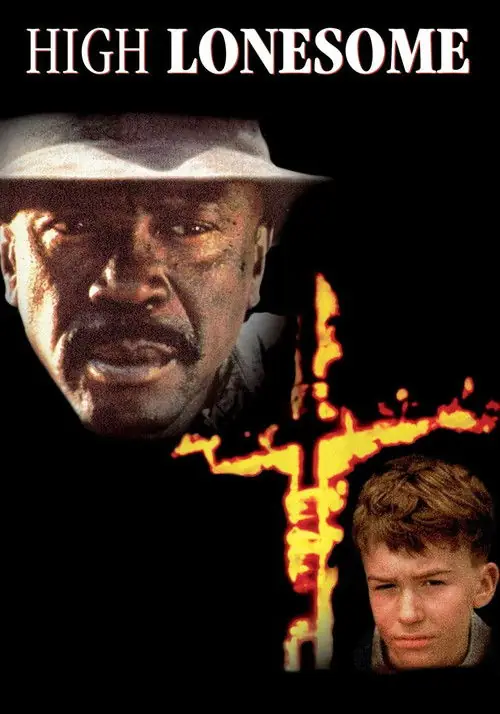
Rooted in the desolate American heartland during the turbulent 1930s, this searing drama unflinchingly confronts the legacy of racial terror in a nation fractured by hatred. Walter Osgood, portrayed with gravitas and emotional precision by Louis Gossett Jr., stands as the sole remaining Black resident of High Lonesome—a town systematically purged of its Black community through the merciless ideology of white supremacy. The film refuses to look away from the visceral consequences of such ethnic cleansing on American soil, embedding its narrative in a period too often sanitized in popular memory. Gossett Jr. imbues Walter with a quiet, unyielding resilience that speaks volumes about endurance in the face of unimaginable loss. What elevates the picture beyond conventional historical drama is its preoccupation with the unknown. Walter's entire family has been taken from him, and the fate of his young son remains a haunting question mark—an agonizing void that propels both the character and the audience through the story's moral landscape. This central mystery transforms the film from a chronicle of oppression into something more akin to a spiritual testament, one that interrogates how a man sustains his humanity when every external force conspires to strip it away. The filmmakers anchor their storytelling in the physical textures of the era—the dust-choked horizons, the ramshackle architecture, the oppressive heat that seems to radiate from the screen—creating an atmosphere that feels less like a period reconstruction and more like a recovered memory. The cinematography favors long, contemplative takes that honor Walter's solitude, allowing the silence to carry as much dramatic weight as the dialogue. Ultimately, the film's power resides in its refusal to reduce Walter to mere victimhood. Through Gossett Jr.'s commanding presence and a screenplay that prizes emotional authenticity over sentimentality, the character emerges as a figure of profound moral complexity—a man clinging to hope not because it is rational, but because surrender would constitute a second death, one from which no recovery is possible.
Rooted in the desolate American heartland during the turbulent 1930s, this searing drama unflinchingly confronts the legacy of racial terror in a nation fractured by hatred. Walter Osgood, portrayed with gravitas and emotional precision by Louis Gossett Jr., stands as the sole remaining Black resident of High Lonesome—a town systematically purged of its Black community through the merciless ideology of white supremacy. The film refuses to look away from the visceral consequences of such ethnic cleansing on American soil, embedding its narrative in a period too often sanitized in popular memory. Gossett Jr. imbues Walter with a quiet, unyielding resilience that speaks volumes about endurance in the face of unimaginable loss. What elevates the picture beyond conventional historical drama is its preoccupation with the unknown. Walter's entire family has been taken from him, and the fate of his young son remains a haunting question mark—an agonizing void that propels both the character and the audience through the story's moral landscape. This central mystery transforms the film from a chronicle of oppression into something more akin to a spiritual testament, one that interrogates how a man sustains his humanity when every external force conspires to strip it away. The filmmakers anchor their storytelling in the physical textures of the era—the dust-choked horizons, the ramshackle architecture, the oppressive heat that seems to radiate from the screen—creating an atmosphere that feels less like a period reconstruction and more like a recovered memory. The cinematography favors long, contemplative takes that honor Walter's solitude, allowing the silence to carry as much dramatic weight as the dialogue. Ultimately, the film's power resides in its refusal to reduce Walter to mere victimhood. Through Gossett Jr.'s commanding presence and a screenplay that prizes emotional authenticity over sentimentality, the character emerges as a figure of profound moral complexity—a man clinging to hope not because it is rational, but because surrender would constitute a second death, one from which no recovery is possible.
— Curator's log, recorded 1942±25 BCE
Cinema history is littered with love stories that captured the public imagination, but few have lingered in…
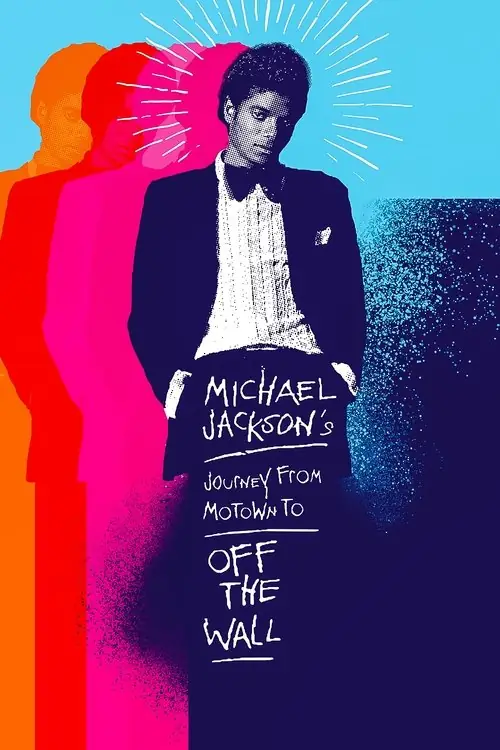
Spike Lee has never been a filmmaker content to remain within the boundaries of a single genre, and his…

Disaster cinema has long been a vessel for exploring how ordinary people comport themselves when the…

Nollywood has long demonstrated a particular fascination with the fault lines that class and status carve…